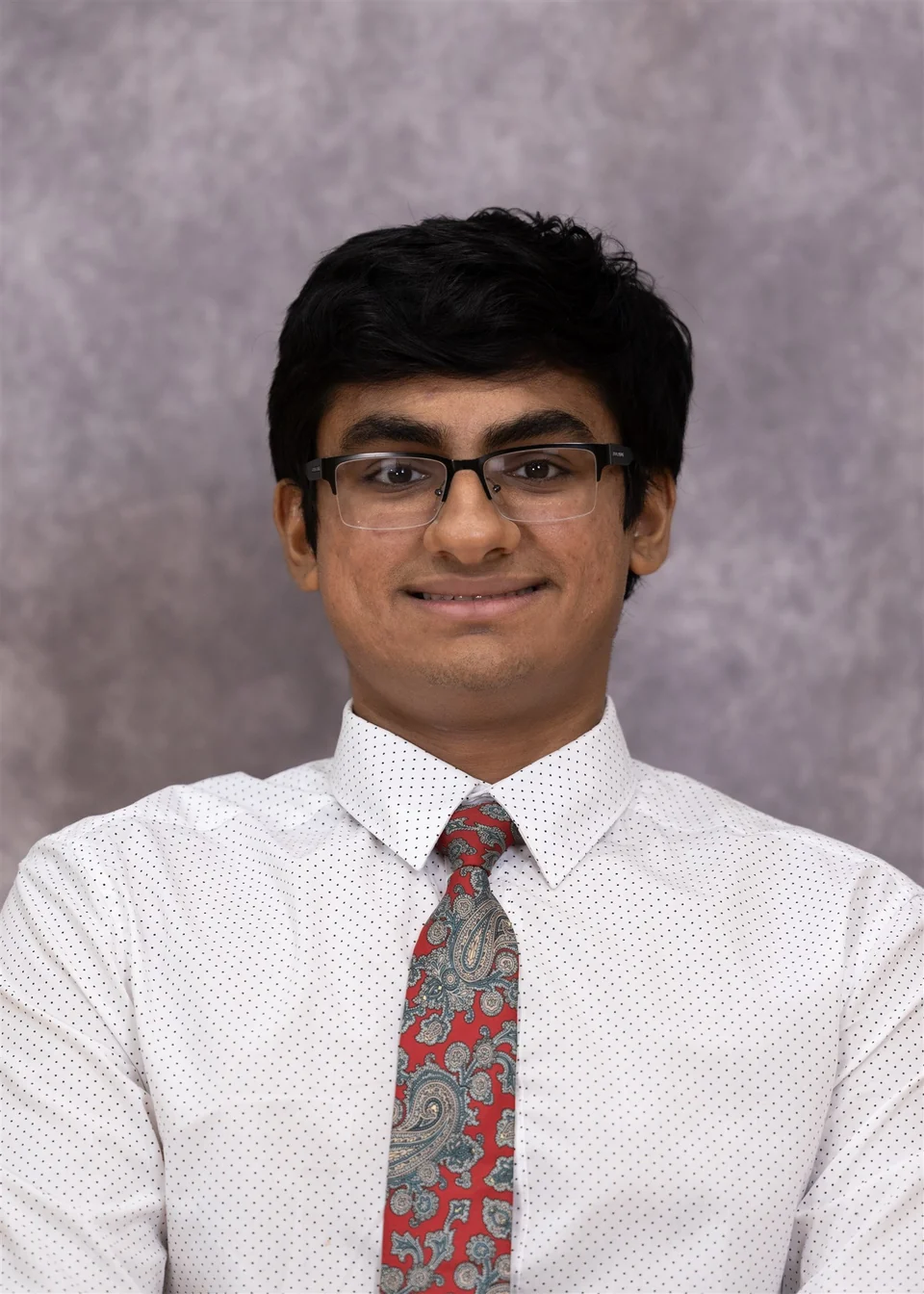
Machine learning specialist behind the algorithm that translates motion sensor data into precise patient recovery metrics, bridging wearable hardware and data-driven physical therapy.
 KAIRS
Join the waitlist
Knee Artificial Intelligence Rehabilitation Sleeve
A knee sleeve with two inertial sensors. It measures how the joint actually moves, all day, and turns that movement into rehabilitation data a therapist can act on.
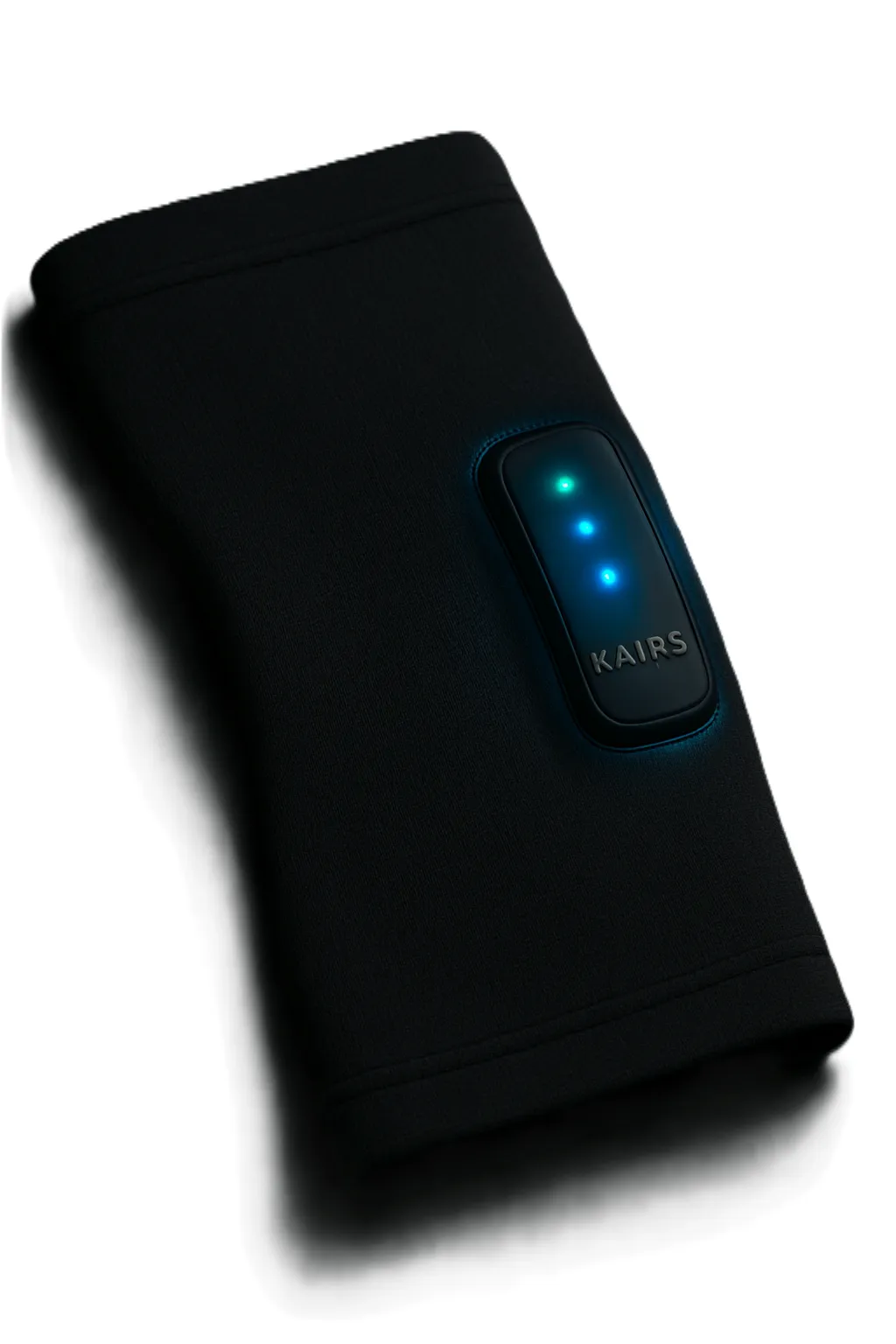
A clinic visit captures a snapshot: a goniometer reading, a few reps under supervision. Most of a recovery happens between visits, at home, unmeasured. KAIRS is the layer that measures the in-between.
The hardware
How the angle is measured
Movement becomes data
The same readings a patient sees while exercising are what a therapist reviews afterwards. Below: the live set running on a simulated stream of sleeve telemetry.
Bend a little further
Repetition tracking · hysteresis 10°
0 / 10
repetitions · a rep lands when flexion crosses 110°
Sensor connectivity
payload 0.0,96,91,-58,-61
Recovery trend · weekly best flexion · 24 weeks
—latest
Sample series from the app. Sleeve sessions solid, camera-only sessions hollow.
No sleeve nearby? The KAIRS app falls back to camera-based pose tracking so a session is never blocked. Camera measurements are labelled as such and carry a ±5° caveat wherever they appear.
Patient and clinician
The patient sees coaching in the moment. The therapist sees the numbers behind it, a weekly summary that posts itself, and which tracking mode recorded each session. Plan changes land in the same thread.
PATIENT · HOME SESSION
Shared automatically · week 4 summary
Extension looks great. Hold the squat 1 s longer at the bottom this week — your hold average is 4.8 s, aim for 6.
Plan updated · Mini squats hold 5 s → 6 s
Got it. The right side felt sharper yesterday around 45°.
Recognition
Since 2024 KAIRS has been put in front of clinicians, biomedical engineers, entrepreneurs and investors across eight competitions — from an early device-design track to an international digital health field. Each round of review moved the sleeve forward.
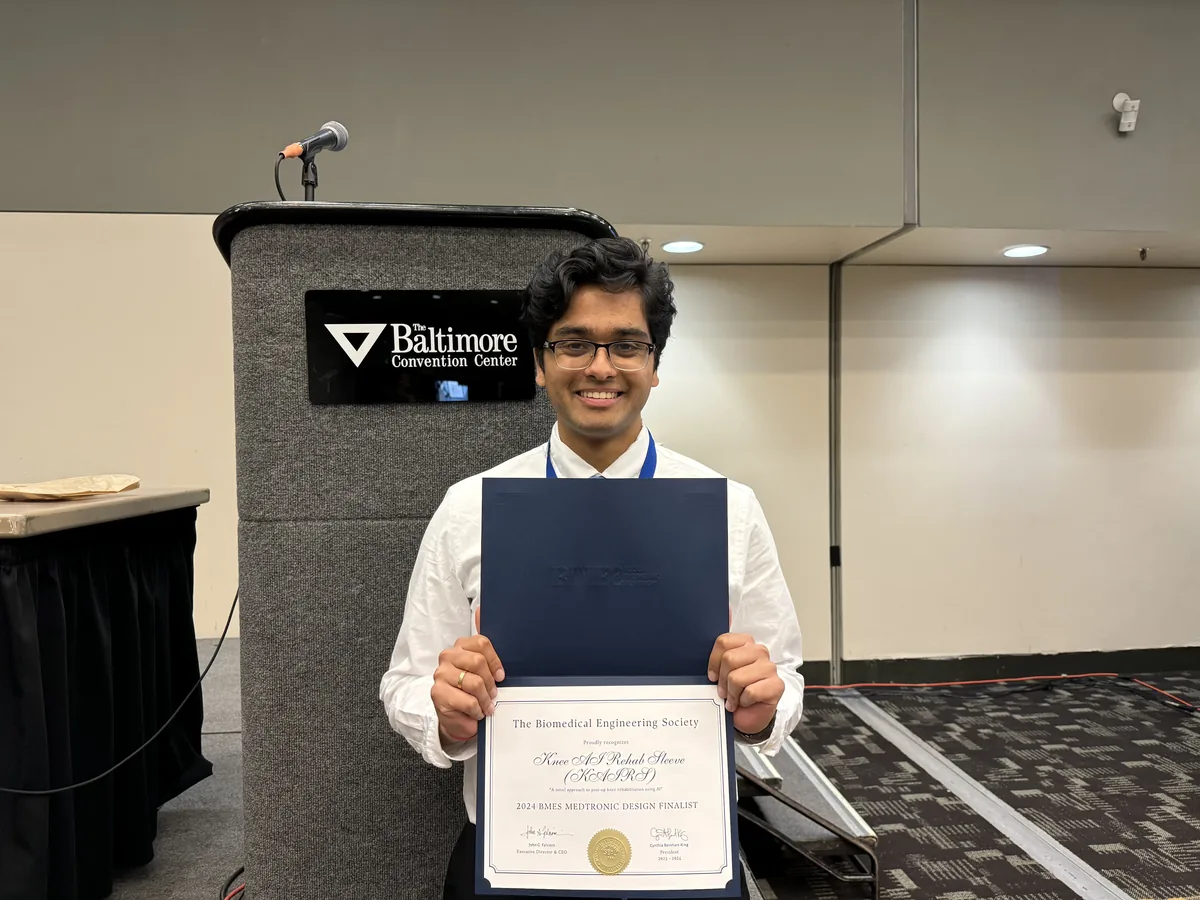
Second Place · Finalist
BMES and Medtronic challenge students to design the next generation of medical devices. Second place in the AI/ML for orthopedic and sports injuries track, presenting the foundational prototype to biomedical industry leaders.
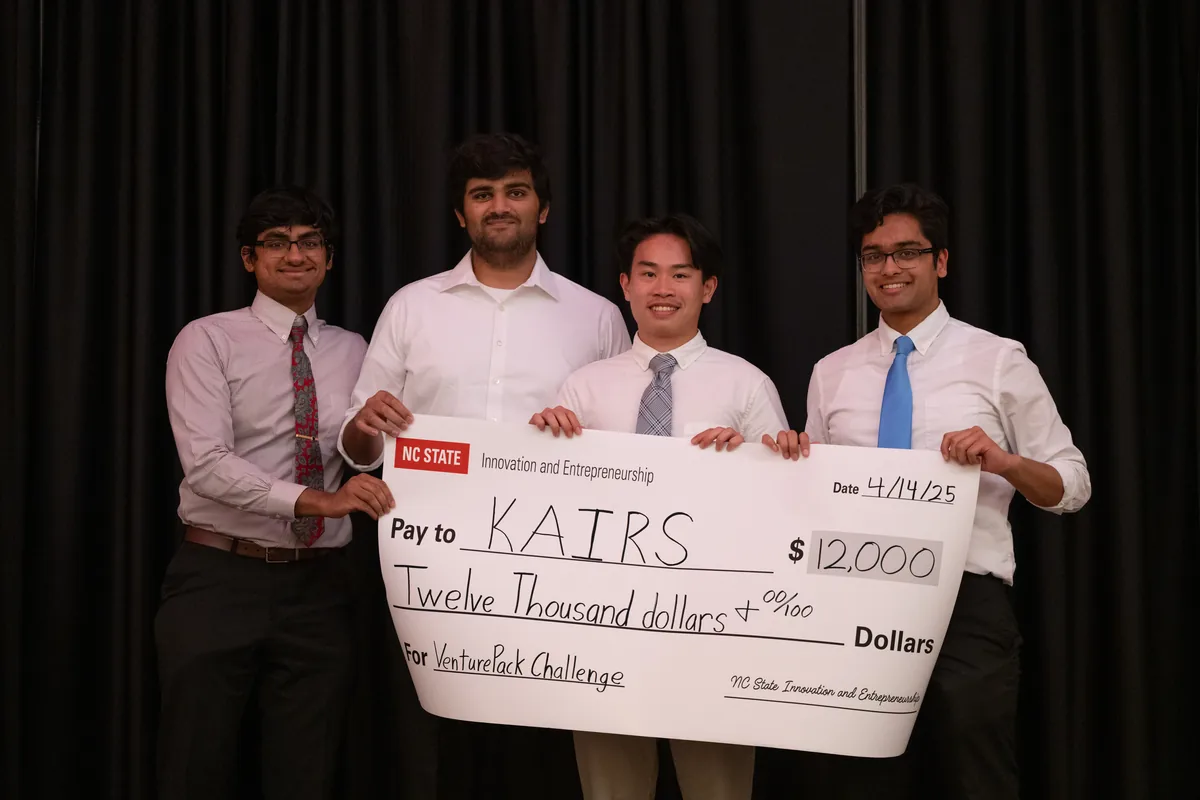
$12,000 Grand Prize Winner
NC State's early-stage venture challenge. The grand prize became the first real funding behind manufacturing the smart wearable.
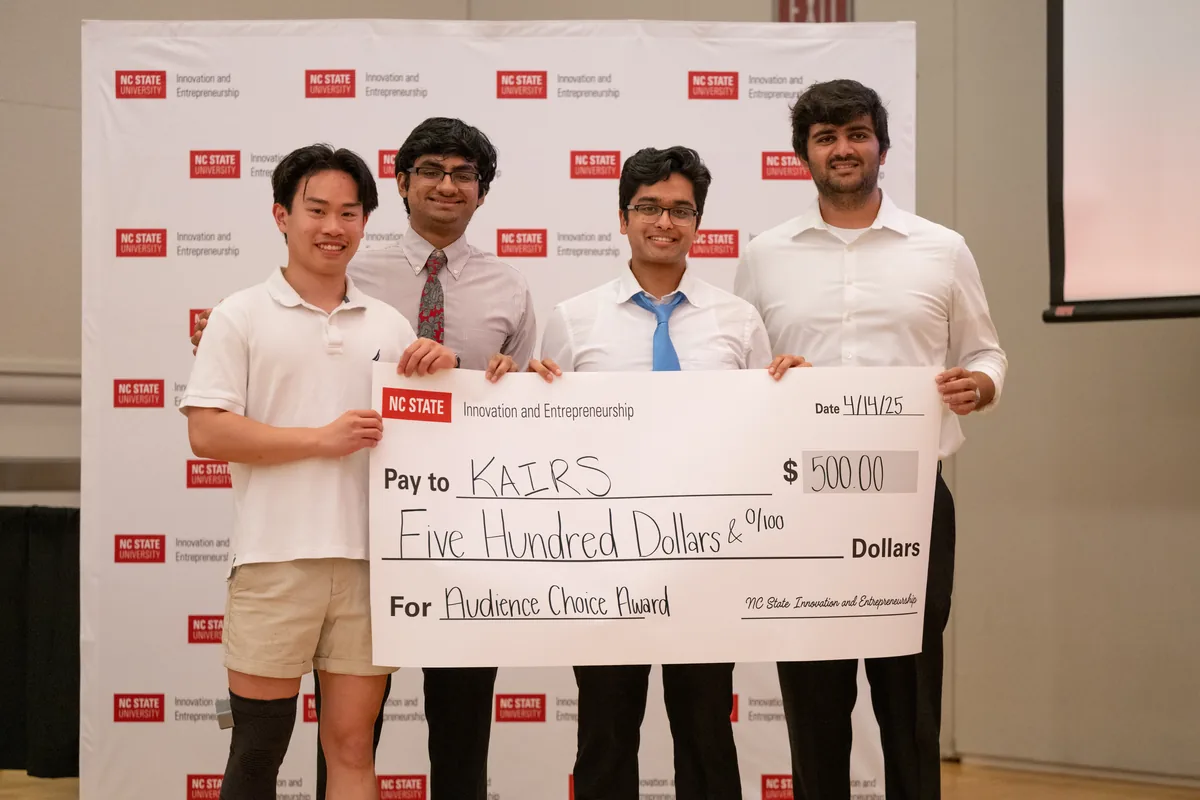
$500 Audience Choice Award
Awarded alongside the VenturePack grand prize by audience vote — recognition from the community and from people who had been through rehabilitation themselves.
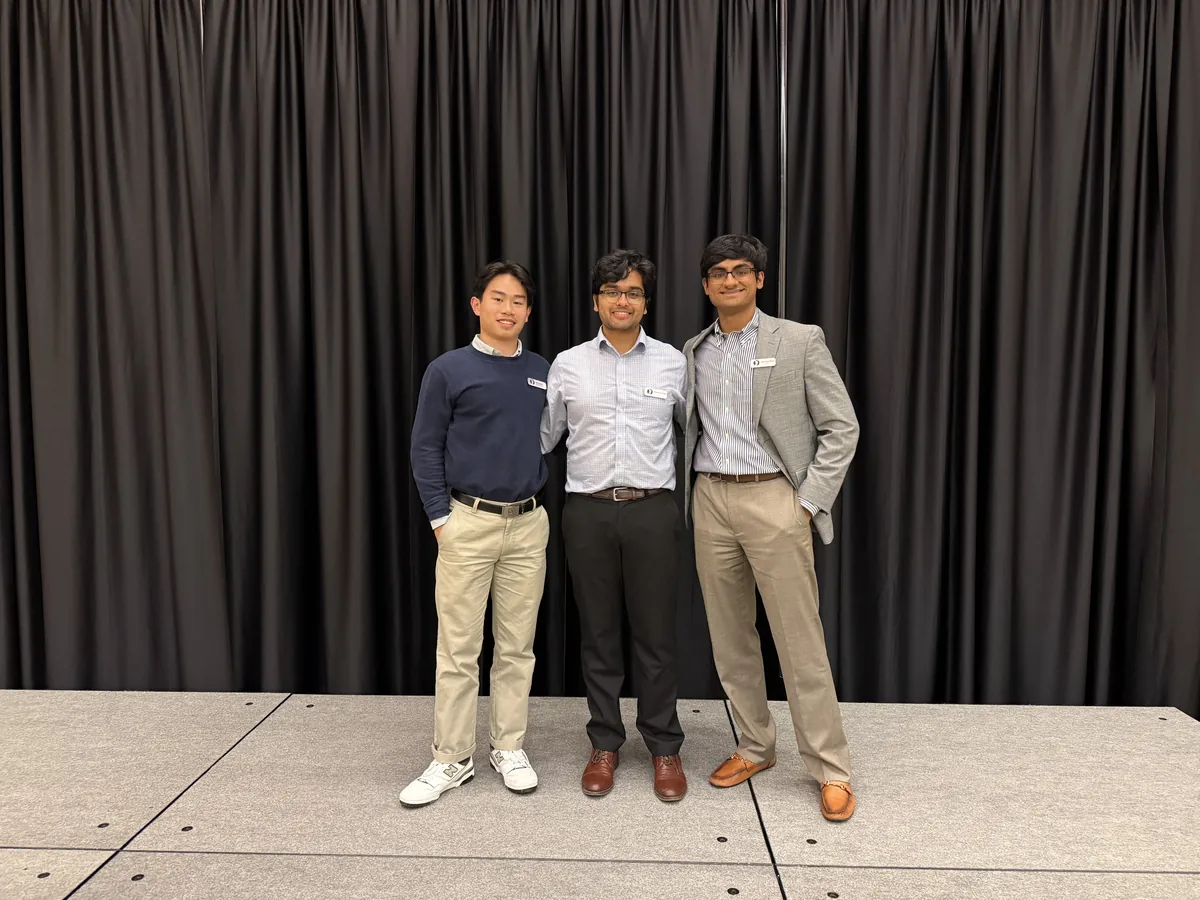
$1,000 Second Place Winner
Modeled after 'Shark Tank', WolfDen puts student ventures in front of real investors and entrepreneurial leaders. Second place, judged by experienced venture investors.
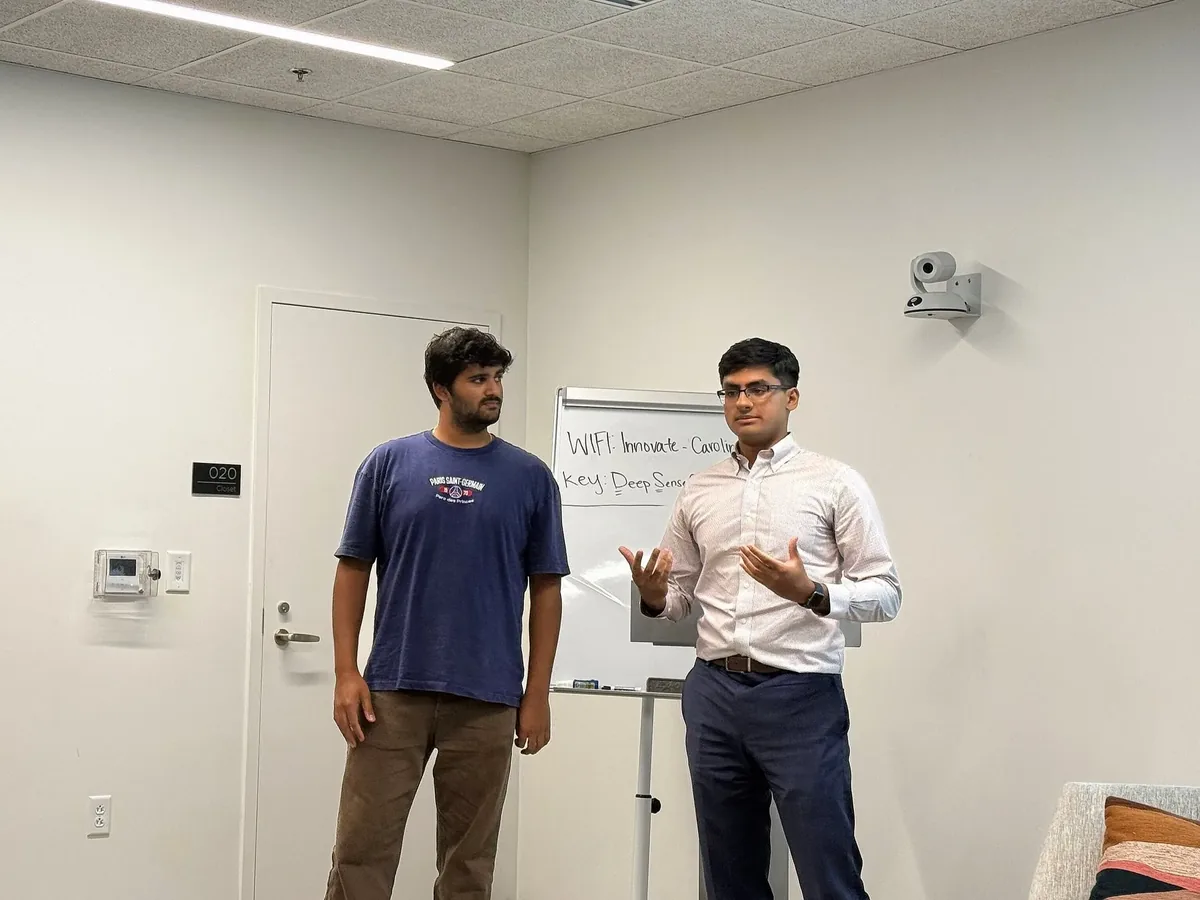
$2,000 1789 Student Venture Fund Awardee
The 1789 Student Venture Fund backs student entrepreneurs. University support that accelerated the prototyping phase and opened a network of mentors.
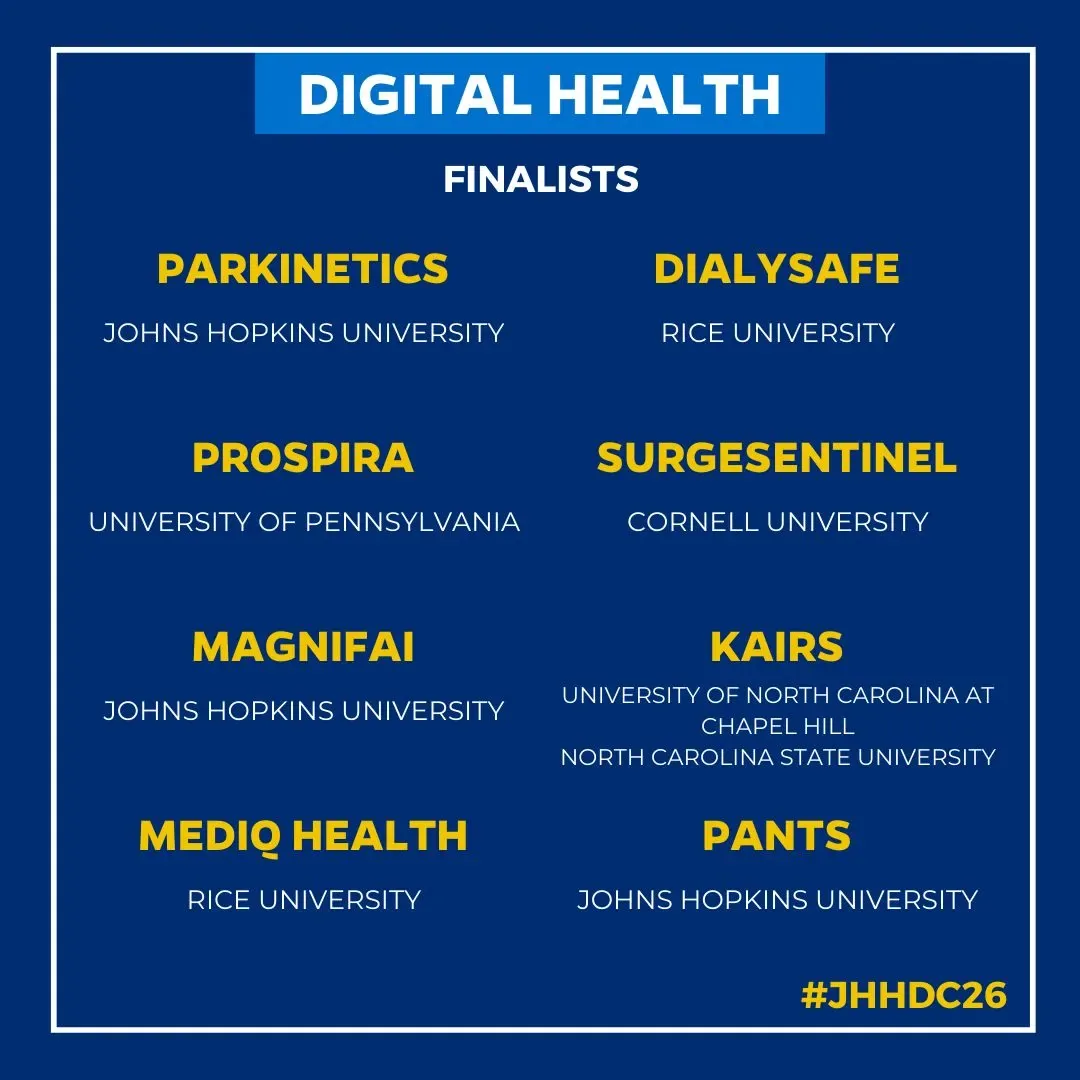
Digital Health Finalist
One of 24 finalists from 568 applicants across 43 countries. Presenting to clinicians at a competition for patient-centric innovation took KAIRS to an international audience.
$7,000 1st Place Winner
i4 asks teams to design solutions to pressing healthcare problems. First place, with judge feedback that continues to shape the hardware and the adaptive training algorithm.
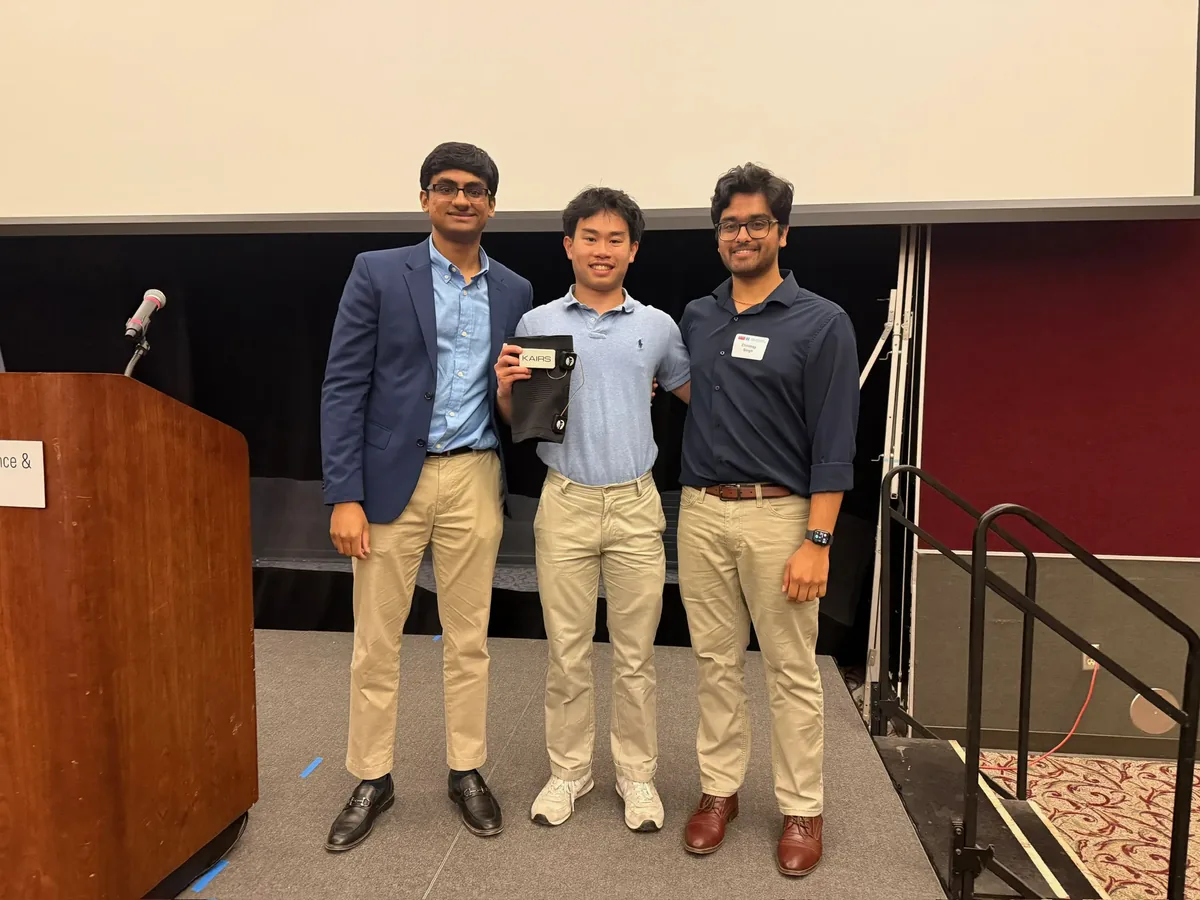
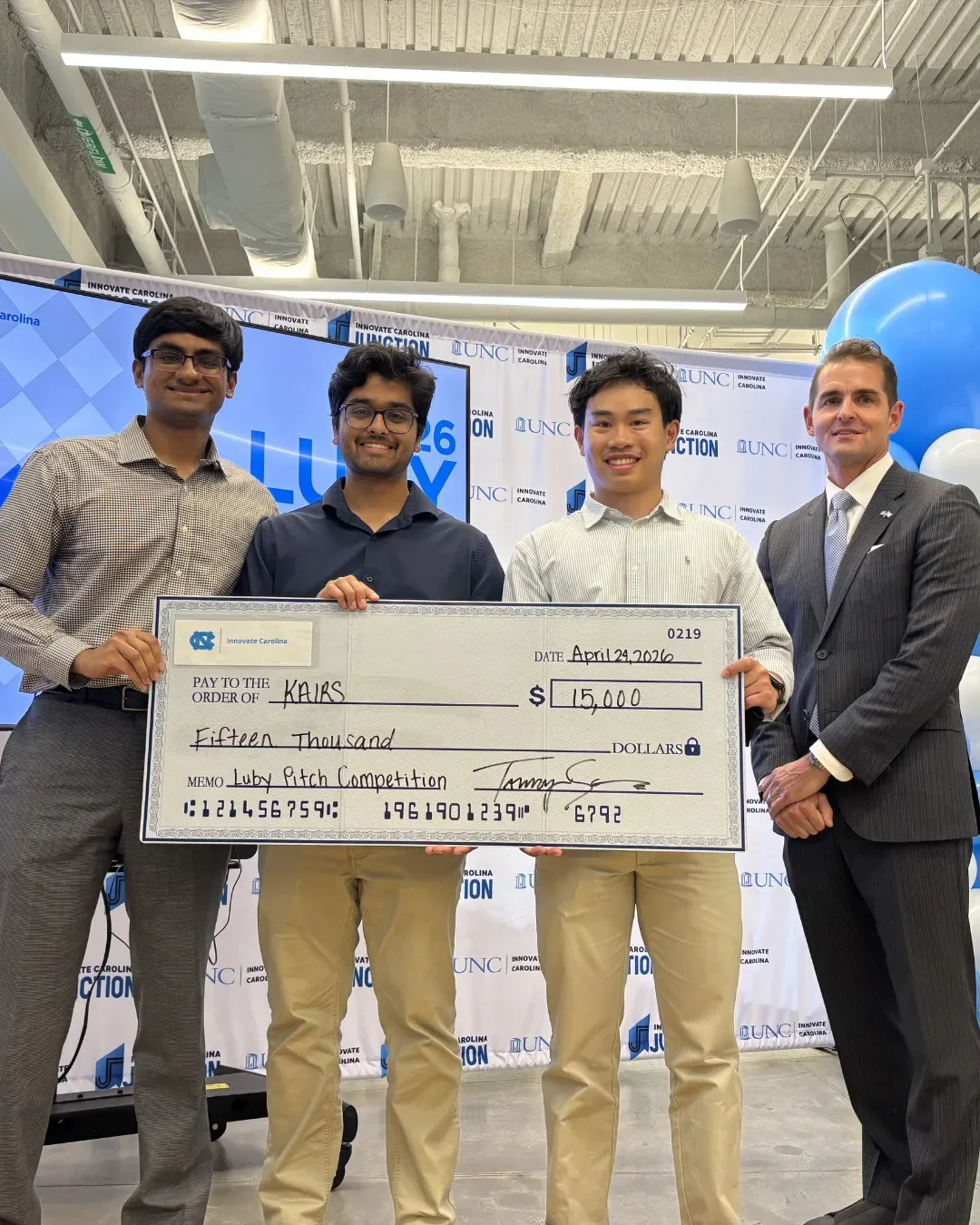
$15,000 Audience Choice Winner
A pitch competition celebrating innovation and entrepreneurship. The largest award to date, voted by an audience with their own connections to the challenges of recovery.
Founding team
A multidisciplinary founding team spanning biomedical engineering, machine learning, hardware, rehabilitation and medical technology innovation. KAIRS began with two founders' own orthopedic surgeries and the recovery that followed.
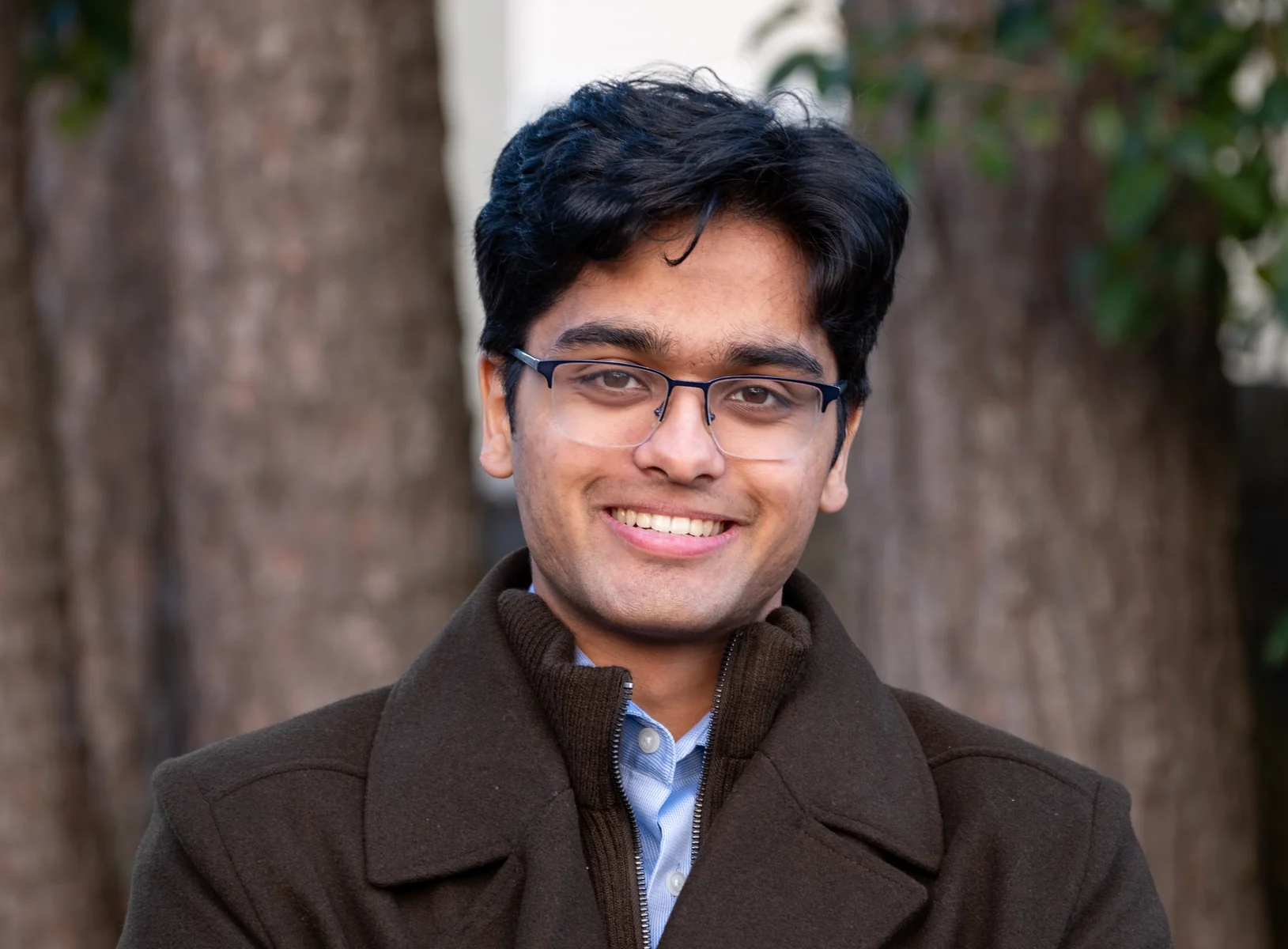
Machine learning specialist behind the algorithm that translates motion sensor data into precise patient recovery metrics, bridging wearable hardware and data-driven physical therapy.
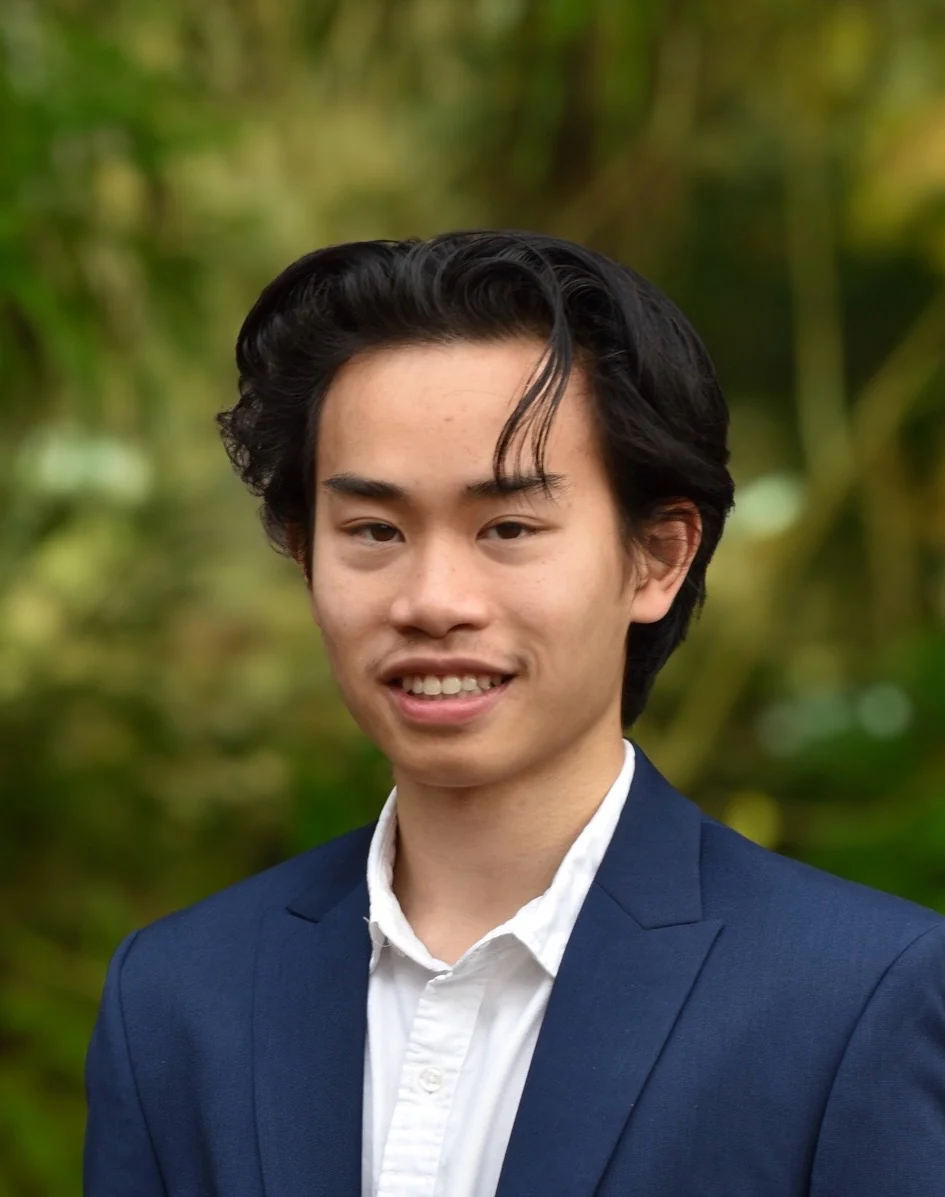
Biomedical engineer developing patient-focused medical technologies, with experience in physiological sensing, ultrasound-based systems and translational device development.
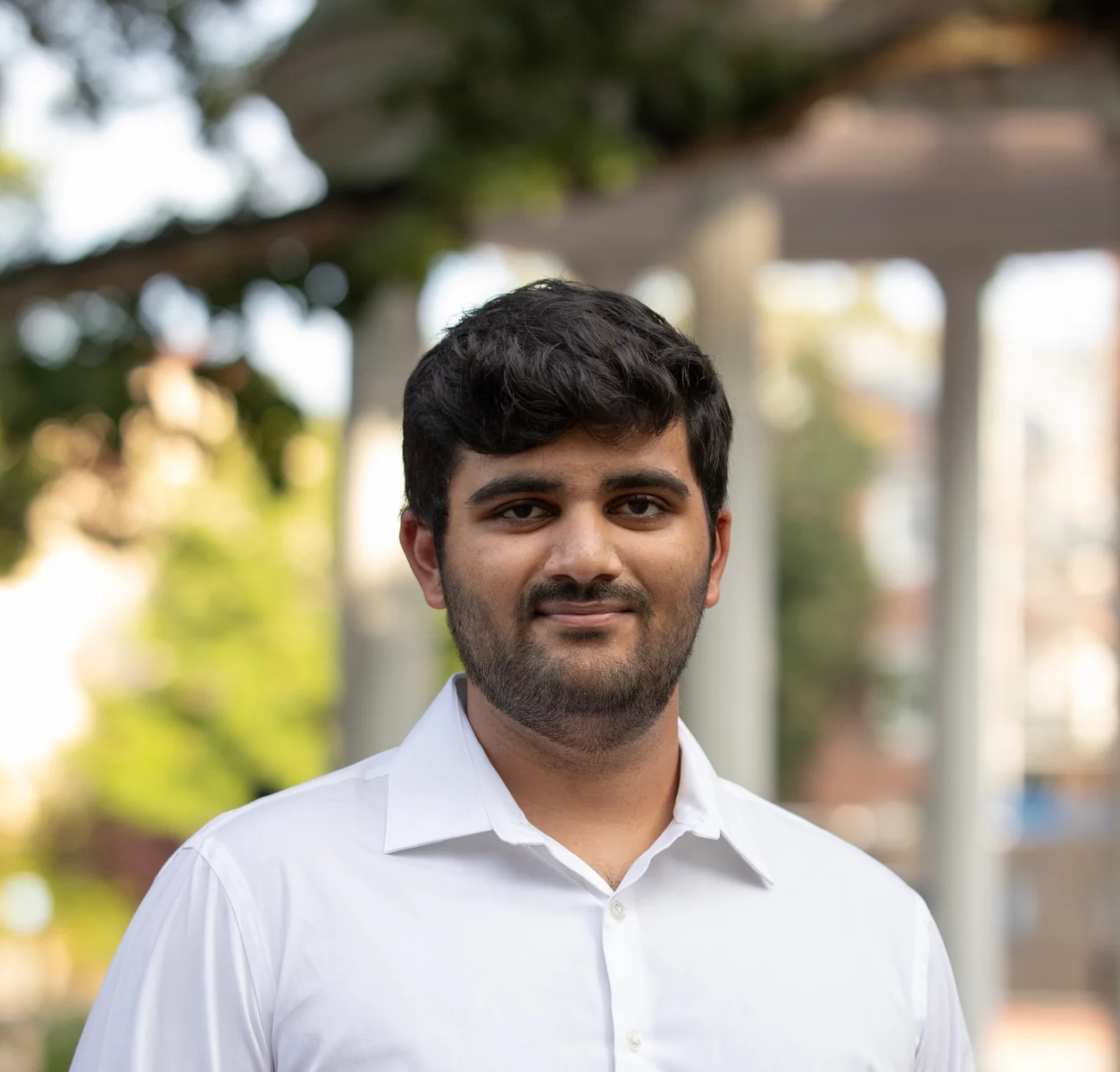
Clinical applications specialist with 3.5 years of experience in knee biomechanics research, and direct rehabilitation insight from his own ACL reconstruction.
Biomedical engineer working across wearable sensing, medical-device development and healthcare innovation — from hardware prototyping to clinical needs finding and commercialization.
Movement in. Recovery, measured.
Join the waitlist for the KAIRS sleeve and app. We'll write when there's something real to try.